Foundations
Read IPA without memorizing a wall of symbols
Learn to read a word in broad IPA: find its stress, separate sounds from letters, and use a small set of symbols in real practice.
PRONOUNCEKIT / Blog
Illustrated guides that turn sounds, symbols and rhythm into a practical routine. Read a little, try it aloud, then test what you notice.
Foundations
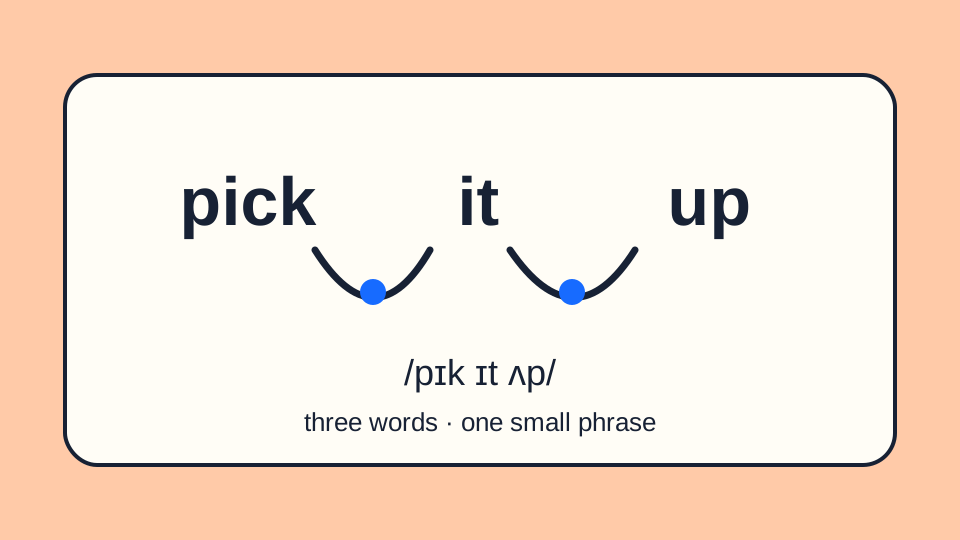
Learn to read a word in broad IPA: find its stress, separate sounds from letters, and use a small set of symbols in real practice.
Sound contrasts
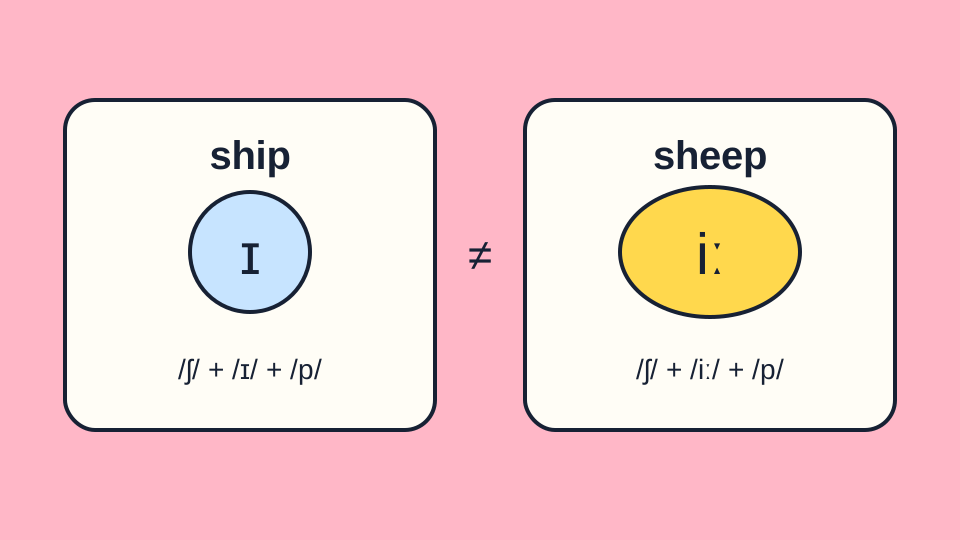
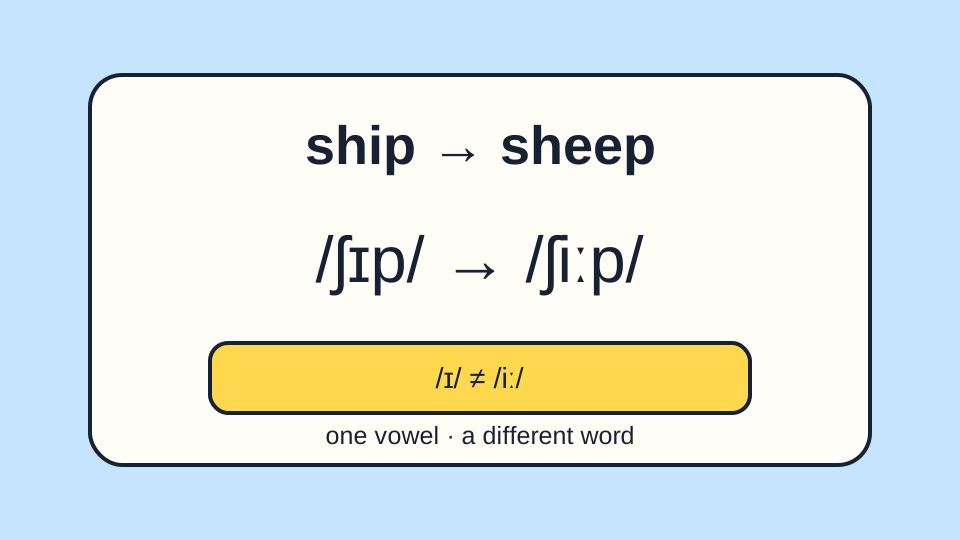
A practical listening and speaking routine for /ɪ/ and /iː/, with tongue-position cues and minimal-pair practice.
Rhythm
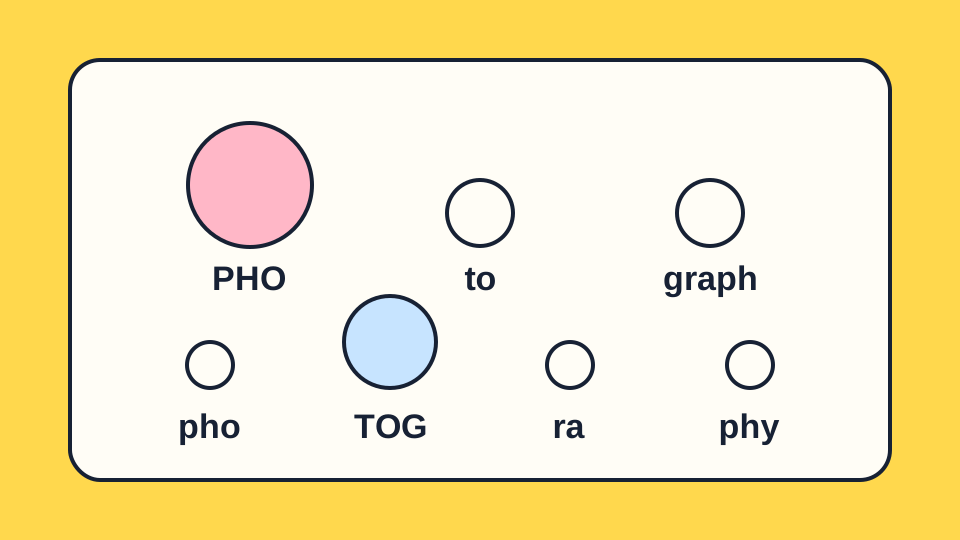
Hear and mark English word stress, practise changing word families, and avoid treating every syllable equally.
Spelling & sound
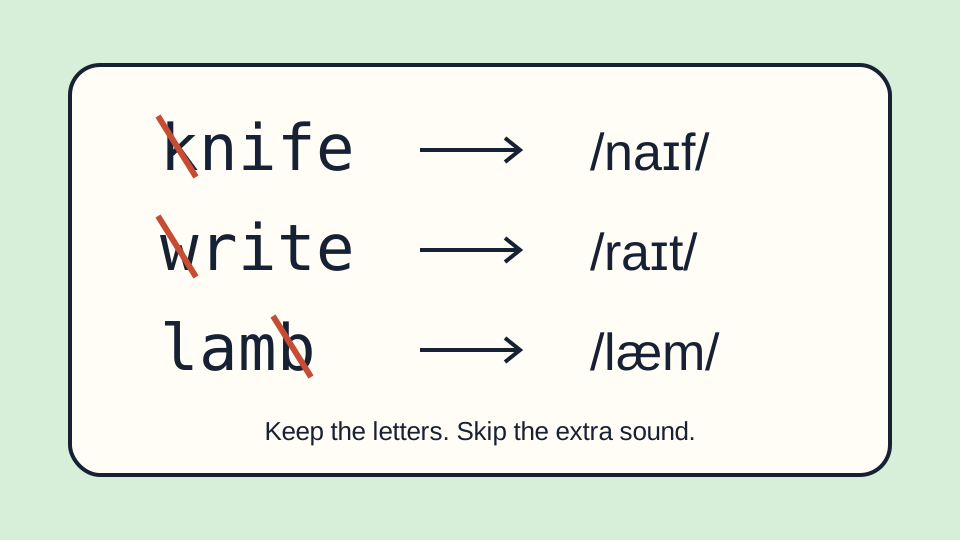
Practise kn-, wr- and final -mb with whole-word examples, clear endings and a routine for spelling traps.
Everyday rhythm
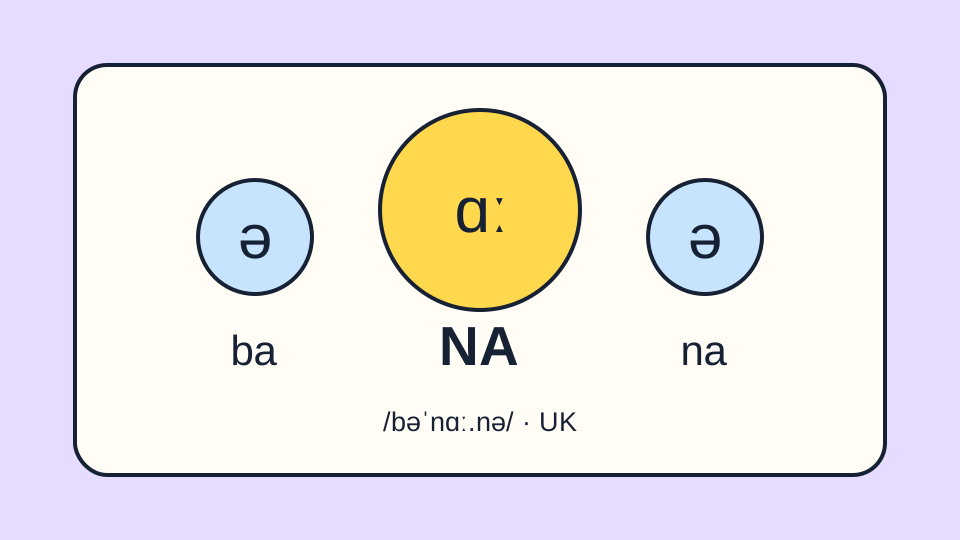
Find the relaxed /ə/ vowel in unstressed syllables and practise word rhythm without swallowing sounds.
From words to sentences
Practise consonant-to-vowel linking, meaningful phrase groups and a short routine for clear connected speech.
Choose one contrast, such as ship/sheep. Listen, check the vowel symbols, then say each word in a short sentence. Use the phonetic chart to understand the movement and a four-question quiz round to check recognition. Five focused minutes are easier to repeat than a long list of unrelated words.
No. IPA symbols represent sounds. English spelling can use several letters for one sound, or one letter for different sounds. Broad transcriptions in slashes are reference forms; they do not record every detail of an individual speaker. The stress mark ˈ belongs before the stressed syllable.
Clarity is a more useful goal than erasing your identity. Work on sound contrasts, word stress and phrase grouping that help your listener understand. Choose one practice model while learning to recognize other accents. British and American English both contain substantial regional variation.
They can remind you of a starting point, but they are not equivalent systems. Mandarin syllables may encourage an extra vowel after an English final consonant. Spanish has fewer vowel contrasts than many English varieties. Use the tongue, lip and airflow instructions, and respect regional Spanish patterns such as seseo and distinción.
Information
Start with IPA, then compare a sound pair. Add word stress and silent letters before moving to schwa and connected speech. Keep one word and one sentence in your notebook after each guide. Revisit them the next day, then use a quiz to check recall.
Can you hear the contrast without looking? Can you explain the mouth movement? Can you use the word in a sentence without adding a vowel? If one answer is “not yet”, repeat that step slowly. A quiz score is a guide to your next practice, not a language certificate.
PronounceKit provides original explanations and schematic illustrations, with linked pronunciation references. Broad IPA describes selected common US/UK forms, not every accent. Synthesized voices and quiz scores are practice aids. These guides have not been independently validated by a pronunciation specialist; send corrections through Contact.